

Chewing Cud

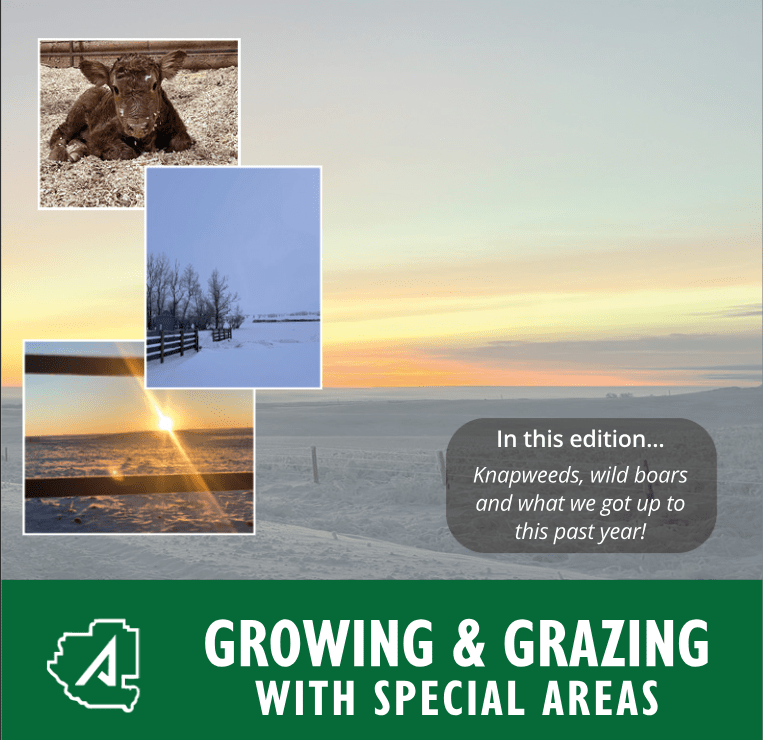
Check out the spring edition of Growing and Grazing with Special Areas! In this interactive newsletter, you will read about Knapweed, wild boars and what we got up to this past year and more! Happy reading! To read previous newsletters, visit: Agriculture Services – Special Areas Board...

Our Special Areas Ag Fieldman attended the 2024 Ag Connections Conference presented by MNP earlier this month, and they learned so much! Our neighbor in Starland County, Flaghill Ranch Grass Fed Beef talked about the business of branding and strategies for success in a competitive market....

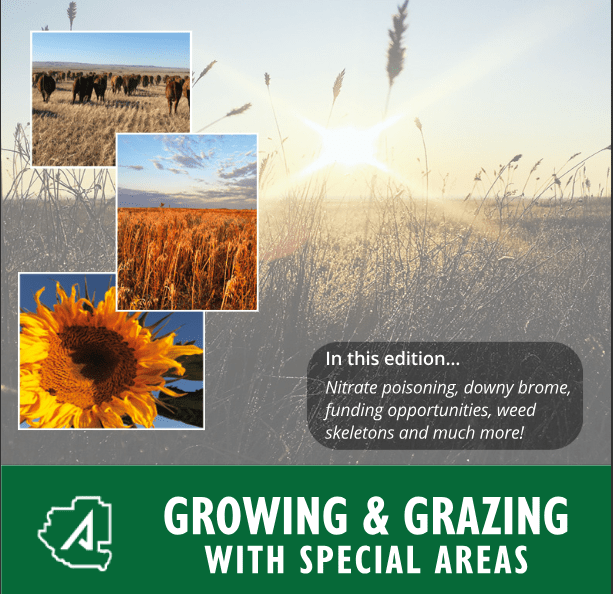
Check out the summer edition of Growing and Grazing with Special Areas! In this interactive newsletter, you will read about nitrate poisoning, downy brome, funding opportunities and more! Happy reading! To read previous newsletters, visit: Agriculture Services – Special Areas Board...

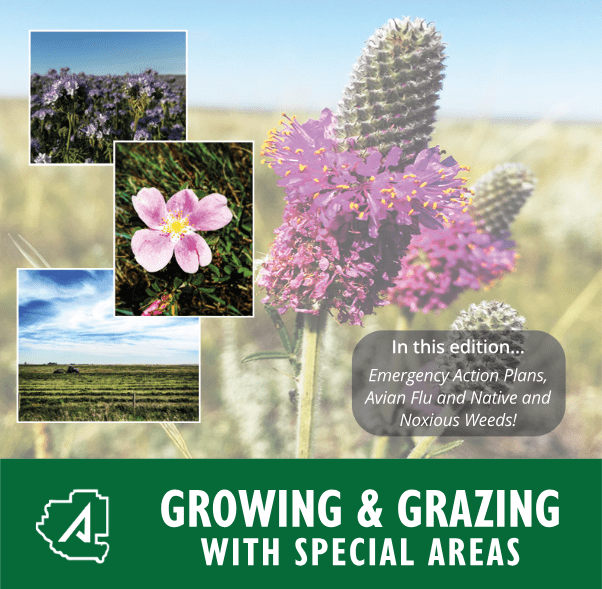
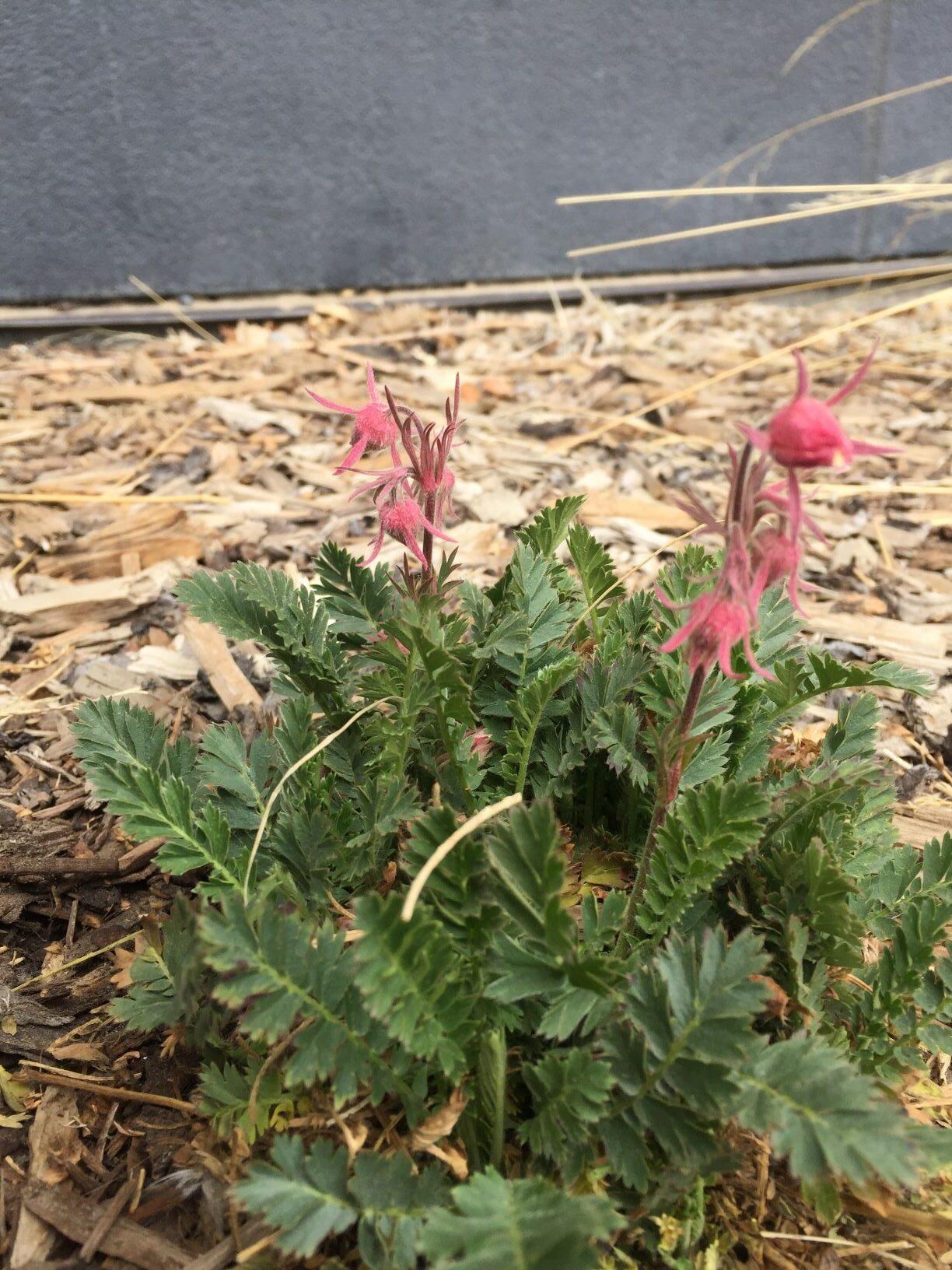
Three-flowered Avens (Geum trilorum) Native to the Special Areas and also known as Old Man’s Whiskers or Prairie Smoke, this attractive perennial is known for its reddish-purple, bell-shaped flowers that hang in groups of three. The 6 to 18-inch-tall plant has foot-wide, basal clumps of ferny, blue-green...

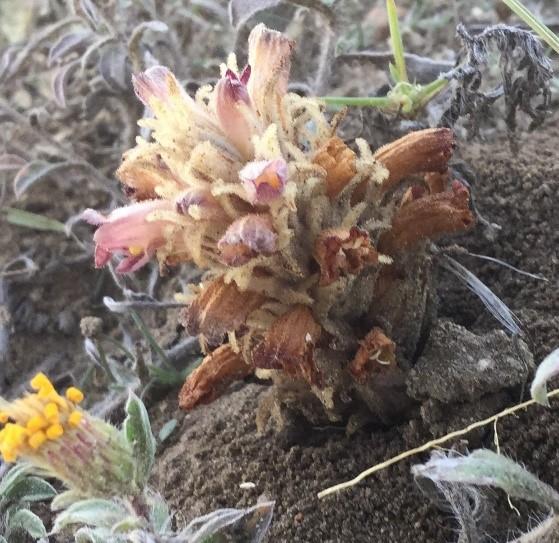
Broom-Rape (Orobanche ludoviciana) Broom-rape species are parasitic plants that grow on sage (Artemisia) plants. They have a white-ish colouring because they obtain their energy from the sage instead of producing their own via photosynthesis. Three broom-rape species are present in Alberta all characterized by their small...

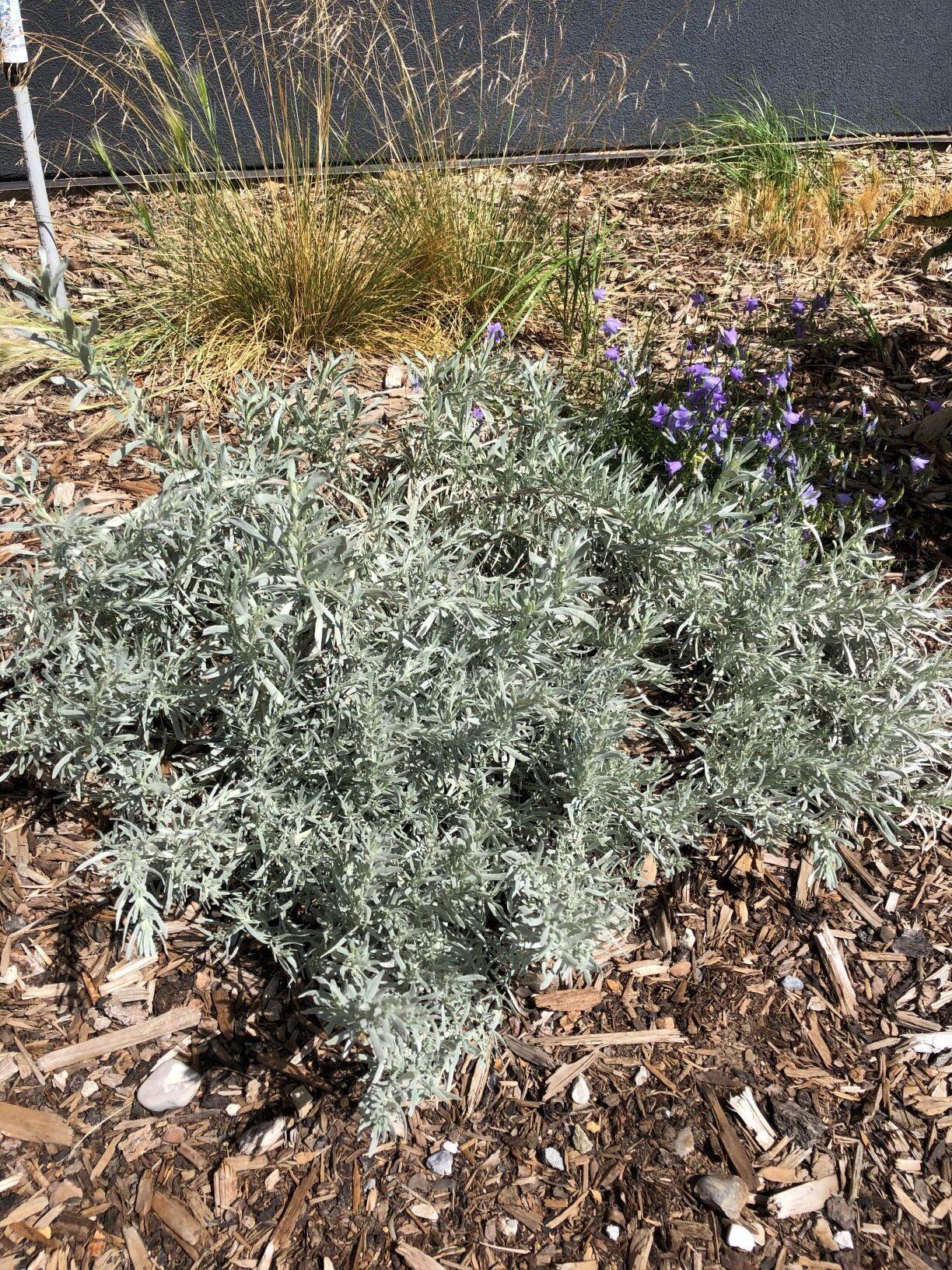
Prairie Sage (Artemisia ludoviciana and frigida) This aromatic, silvery-white perennial is found throughout the Special Areas. Easily identified with its distinctive scent and silvery leaves,  fringed sage is lower growing with fine, hair-like leaves. Prairie sage is taller with long oval leaves but has the same...

Blue Grama Grass (Bouteloua gracilis) Blue Grama grass is a very distinct grass found across the prairies - particularly on drier sites. Blue grama can be identified by its comb-like seed head when it’s in flower, or by the blueish tinge to its narrow (1-2 mm...

Yellow Toadflax (Linara vulgaris) This noxious (MUST be controlled) weed can flower much earlier in the year but is often noticed in Special Areas around this time of year. While sometimes mistaken for a snap dragon (check your “wildflower mixes”), this perennial is a fierce competitor...

Showy Milkweed (Asclepias speciosa) Despite its name, Showy Milkweed is not a weed, but it is very showy. A common sight along Highway 555, showy milkweed is a showstopper when in bloom. A robust plant growing 1m or more in height with large 15 cm succulent green-blue...

Common Mullein (Verbascum thapsus) Common Mullein is a NOXIOUS (which means it must be controlled) weed often found on disturbed sites such as railbeds, gravel pits, roadsides, etc. This biennial or perennial is known as “Cowboy Toilet Paper” for its very large, wooly, soft leaves that...