

Chewing Cud

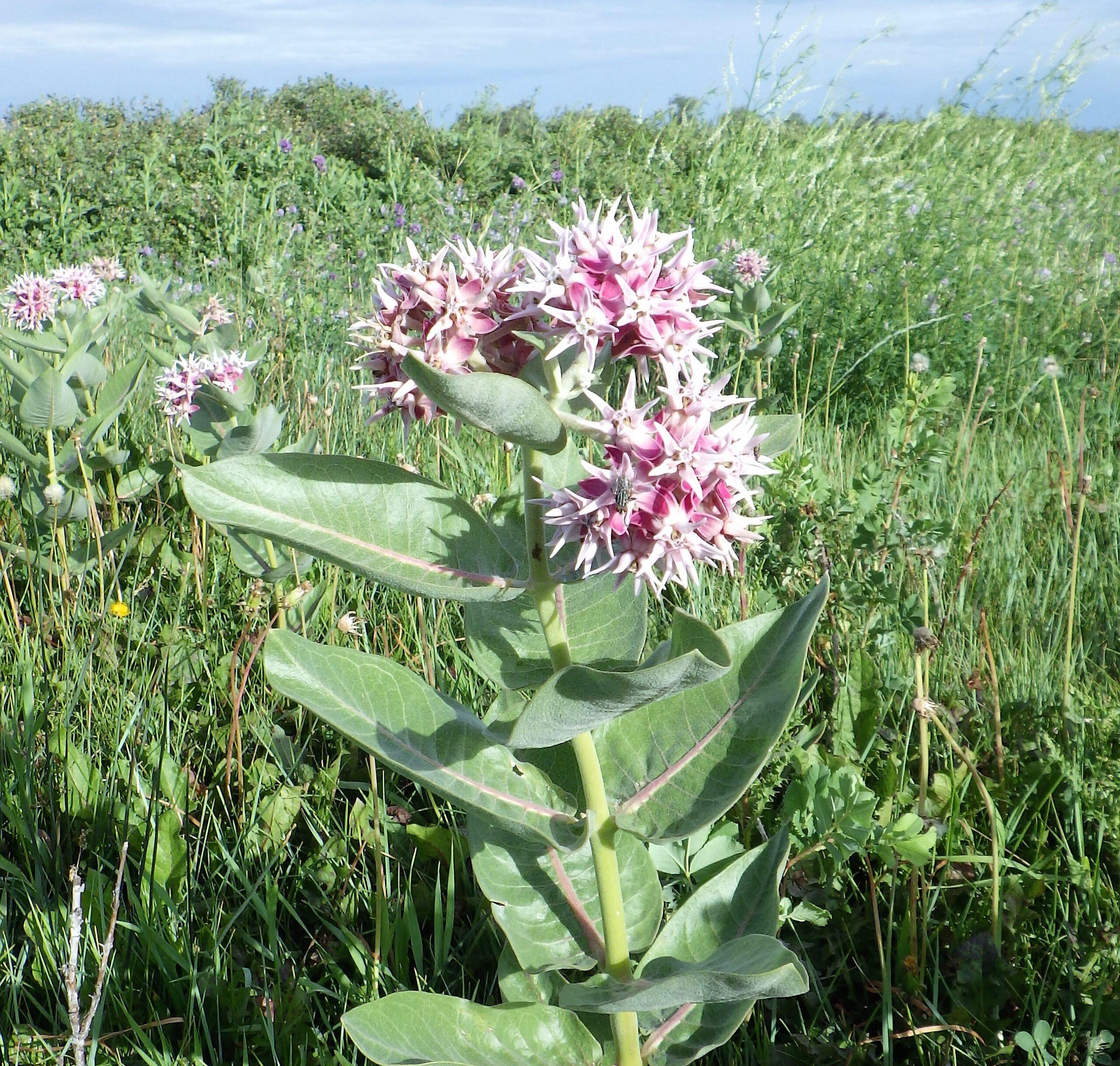
Showy Milkweed (Asclepias speciosa) Despite its name, Showy Milkweed is not a weed, but it is very showy. A common sight along Highway 555, showy milkweed is a showstopper when in bloom. A robust plant growing 1m or more in height with large 15 cm succulent green-blue...

Common Mullein (Verbascum thapsus) Common Mullein is a NOXIOUS (which means it must be controlled) weed often found on disturbed sites such as railbeds, gravel pits, roadsides, etc. This biennial or perennial is known as “Cowboy Toilet Paper” for its very large, wooly, soft leaves that...

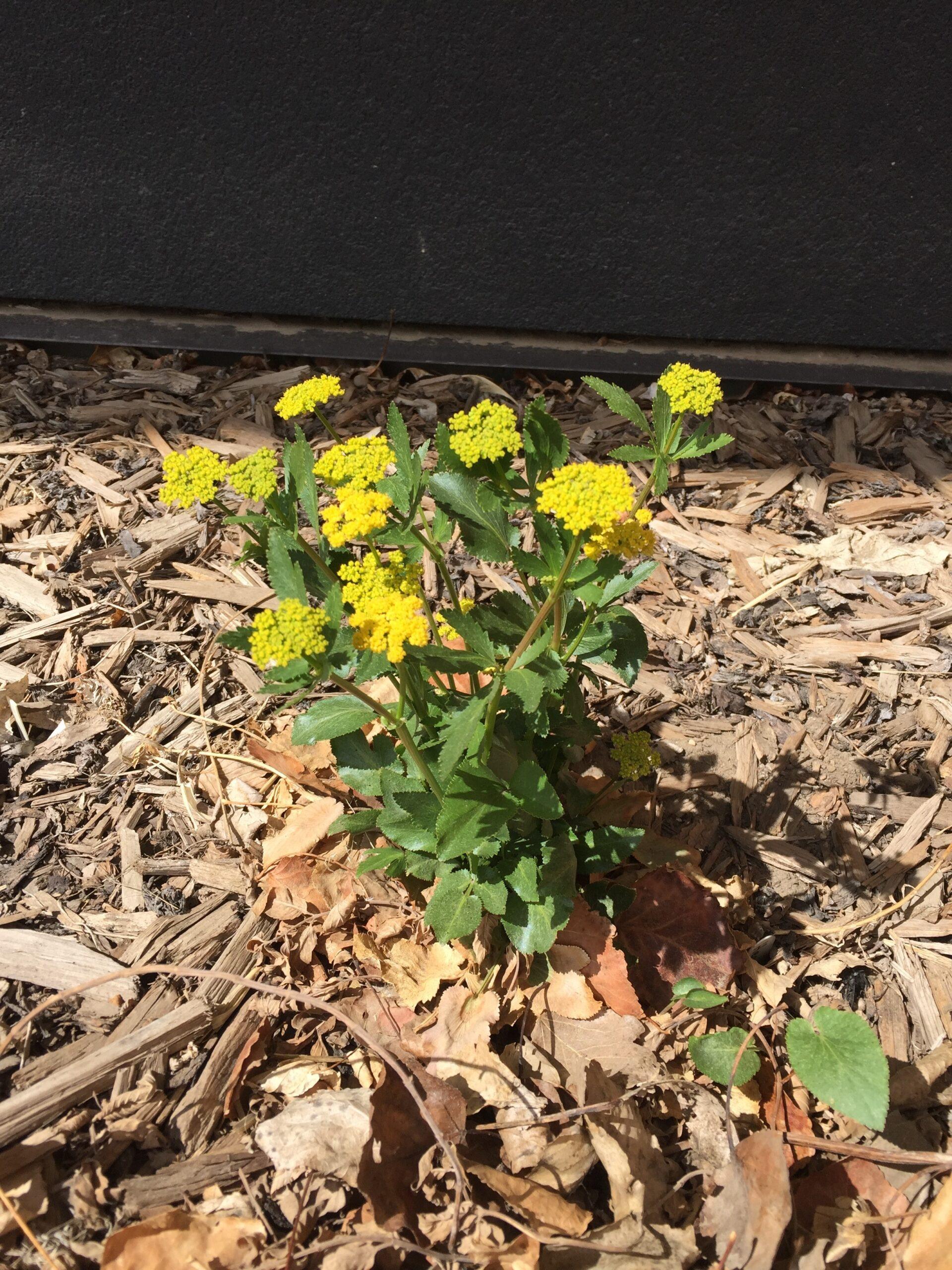
Heart Leaved Alexanders/Meadow Parsnip (Zizia aptera) Heart-leaved alexanders can be identified by its toothed, heart shaped basal leaves, stem leaves which are also toothed but divided into three parts and its bright yellow flat-topped umbel flower. Heart-leaved alexanders is tolerant of alkaline soils and can be...

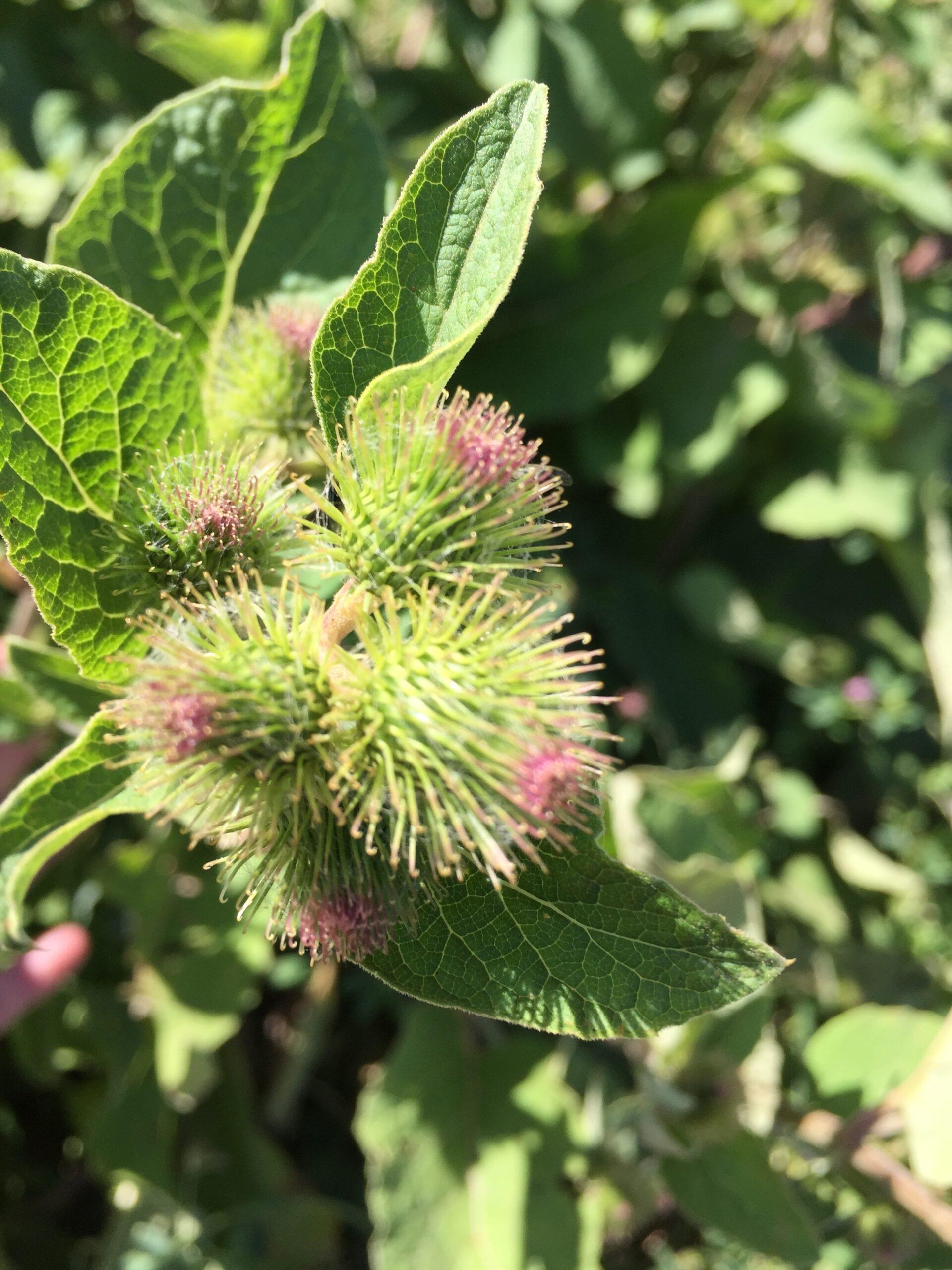
Common Burdock (Arctium minus) Commonly mistaken for rhubarb in its first year, this NOXIOUS (which means it must be controlled) biennial produces huge rosettes before sending up a shoot 1-2 meters tall in the second year. With its giant taproot, this plant is most often identified...

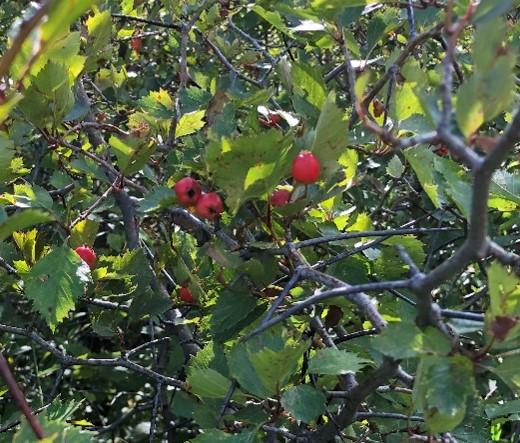
Round-leaved Hawthorn (Crataegus chrysocarpa) Hawthorn can be found in the northern parts of the Special Areas, in low, sheltered areas and in ditches. It is a shrub that can grow to 3 m tall. Hawthorn can be identified by its uniquely shaped leaves, rounded with serrated edges...

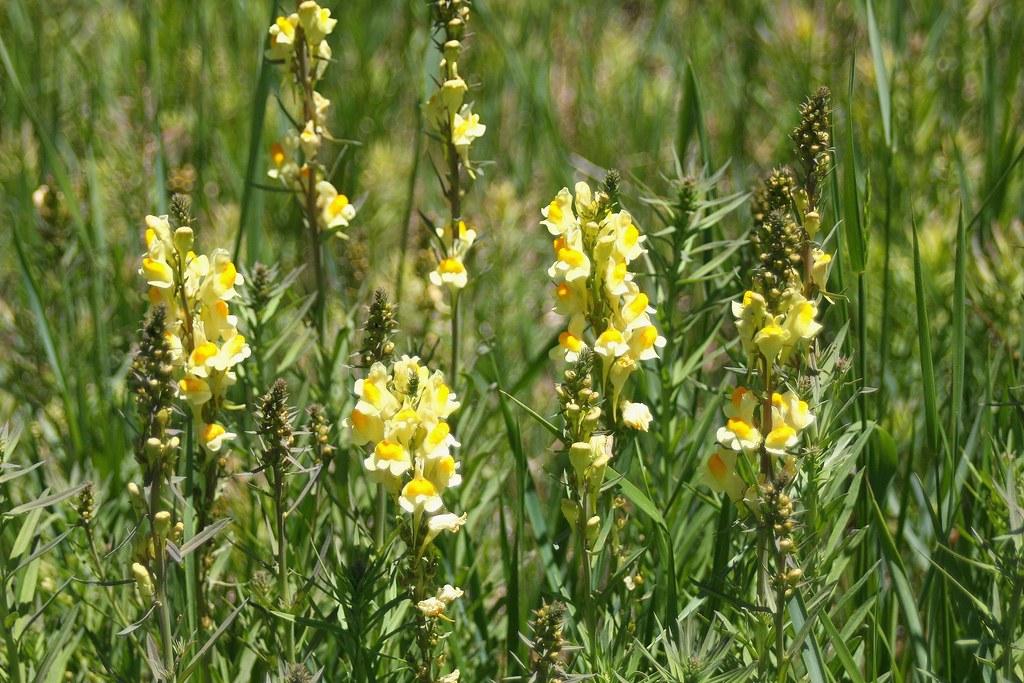
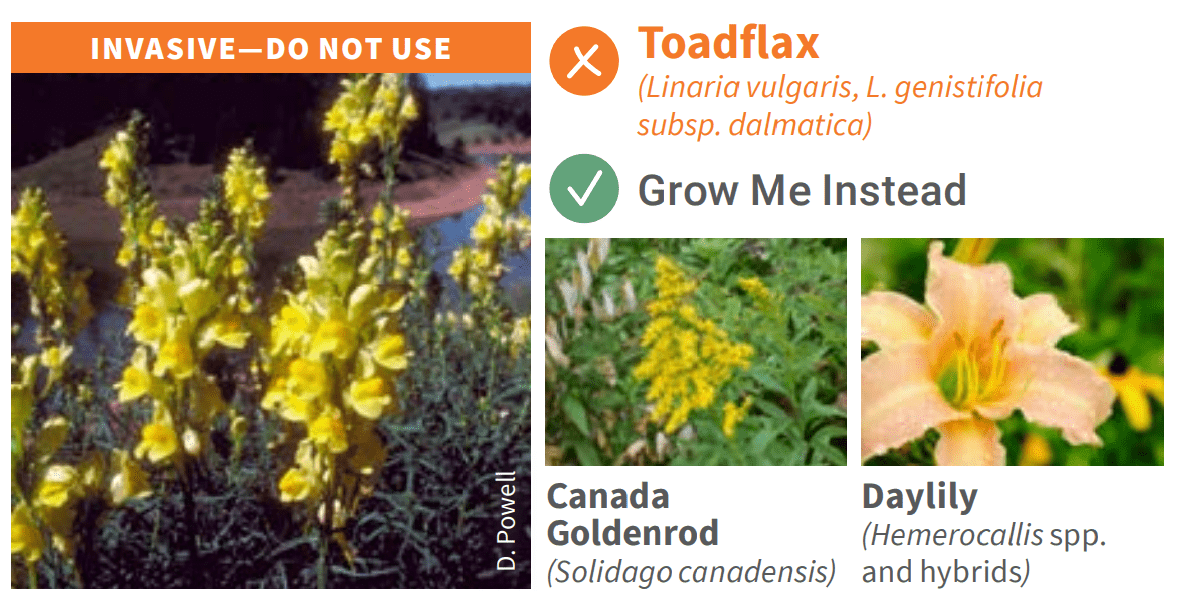
Ornamental escapes can become very invasive to our surrounding grassland ecosystem and threaten our native prairie. Our Ag Service Dept has helped managed escapees from baby’s breath, blueweed, dames rocket, yellow clematis, yellow toadflax and purple loosestrife to name a few. The Invasive Species Council of...

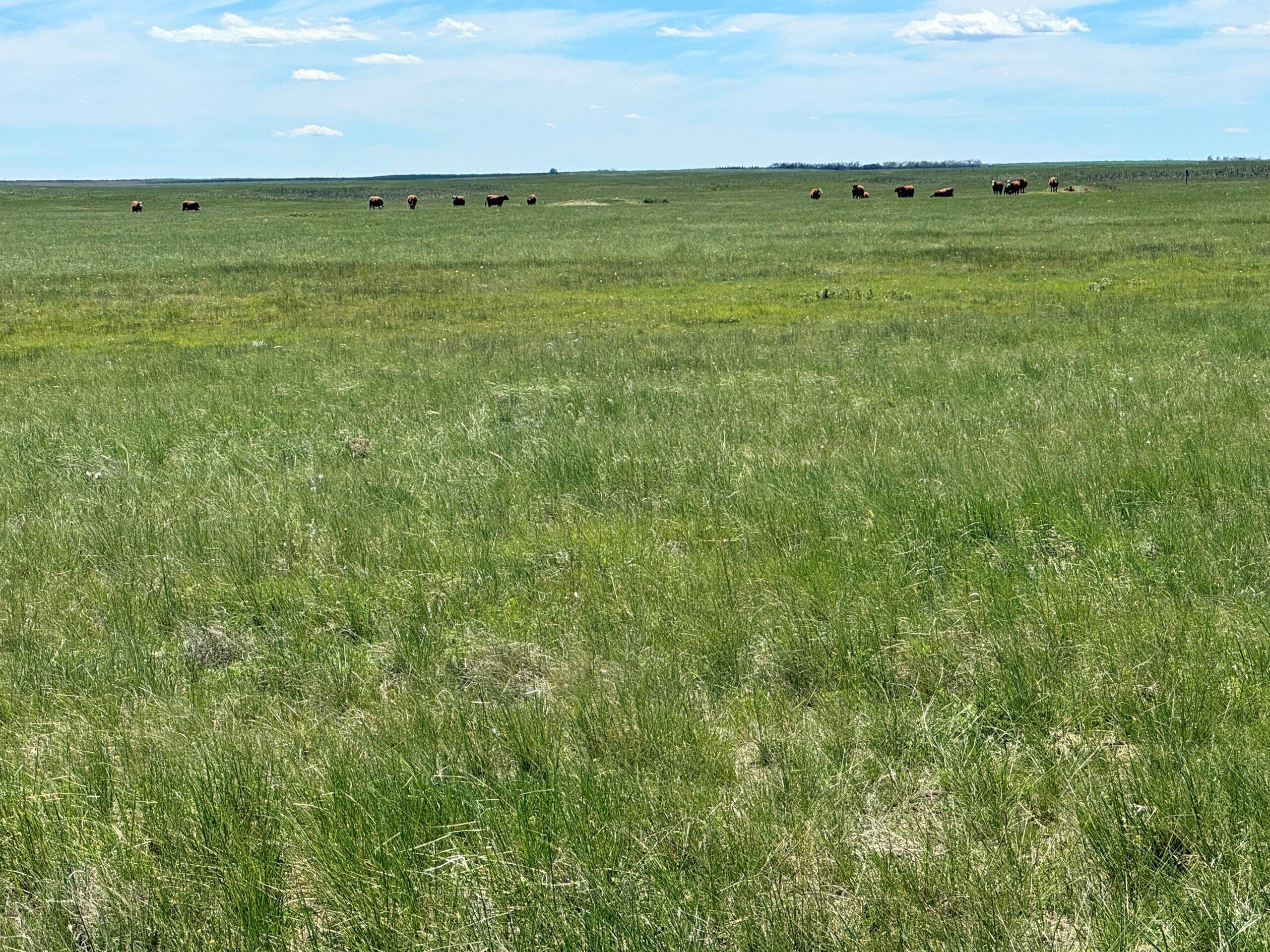
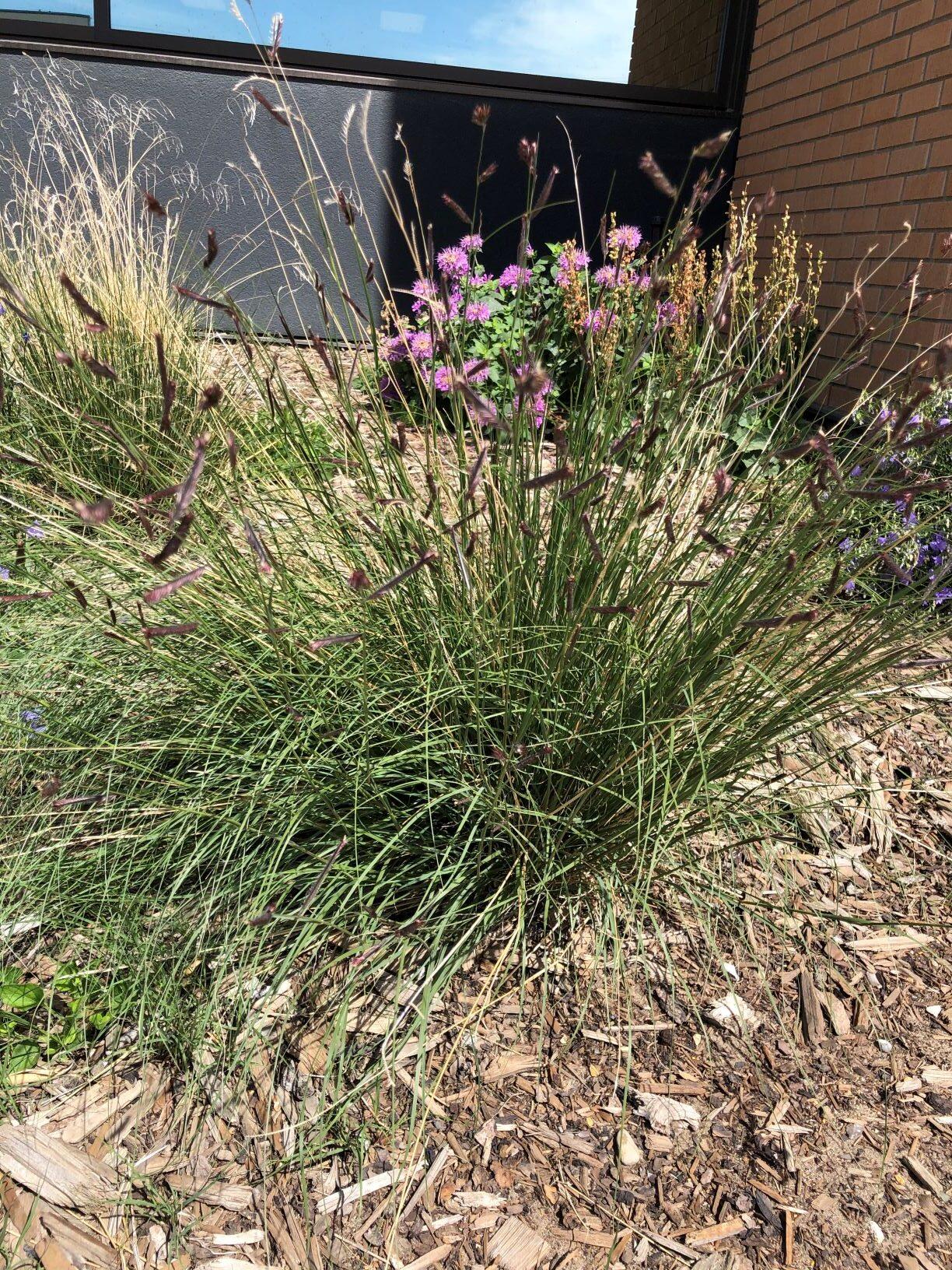
DYK? June 16-22, 2024 is Native Prairie Appreciation Week! Grassland ecosystems cover between 42-56 million km2 (31-43%) of the earth’s surface! They are also one of the world’s most threatened ecosystems. Here are some fascinating facts about prairie grass adaptations from the Alberta Prairie Conservation Forum...

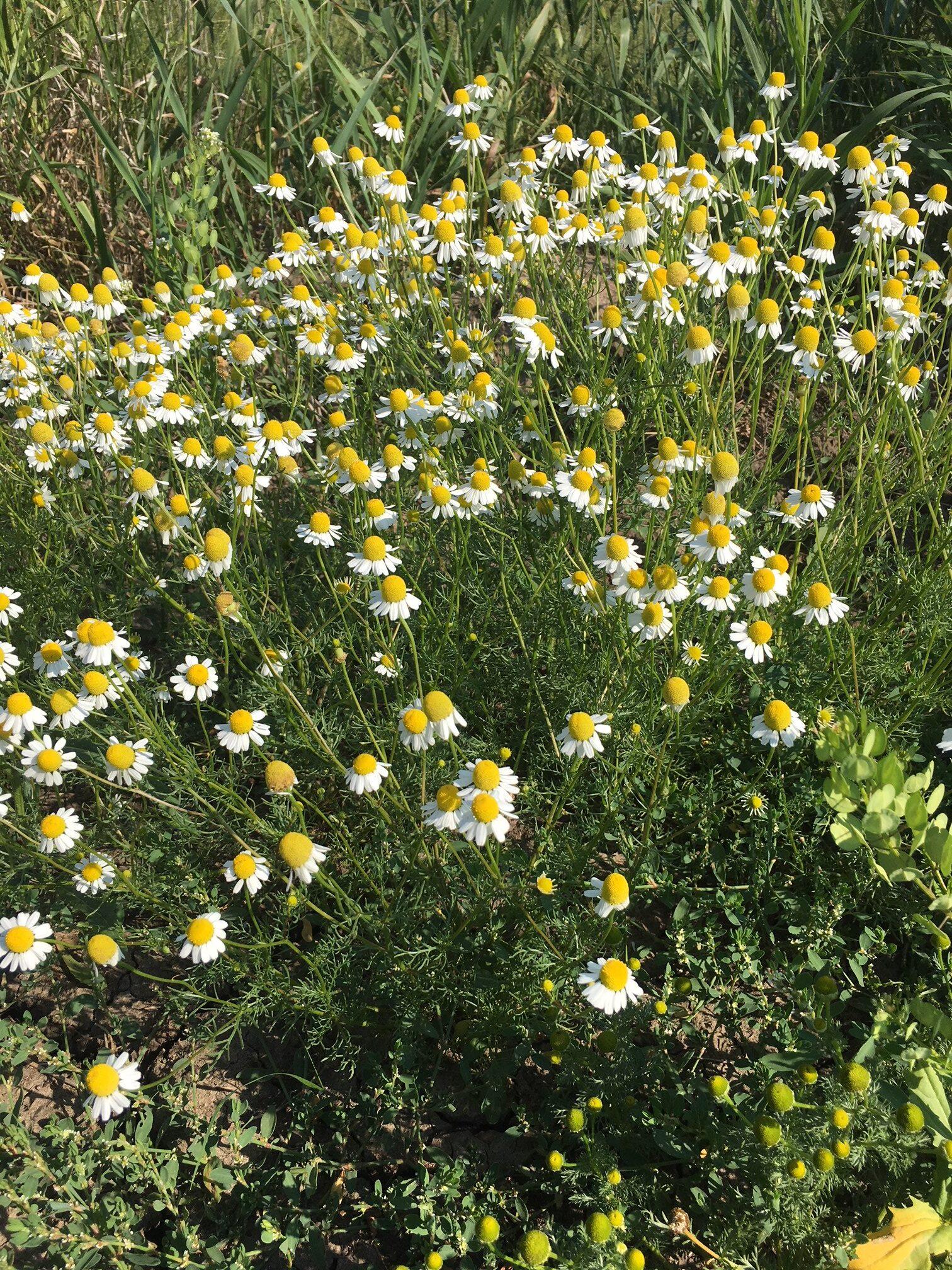
Scentless Chamomile  (Tripleurospermum perforatum) This is one smart plant! While it does look ornamental, it is certainly not a plant you want in your flower garden - even though we often find it there! This NOXIOUS (which means it must be controlled) plant can act as an...

Check out the spring edition of Growing and Grazing with Special Areas! In this interactive newsletter, you will read about gopher controls, drones, greenhouses, Pronghorns and more! Happy reading! To read previous newsletters, visit: Agriculture Services – Special Areas Board...

Death Camas (Zigadenus venenosus) Death camas is an early blooming native perennial found in dry to moist areas across the Special Areas. Succulent grass-like leaves originate from a single bulb and are followed by a rounded stalk on which several cream-white flowers with yellow centers are...