

Chewing Cud

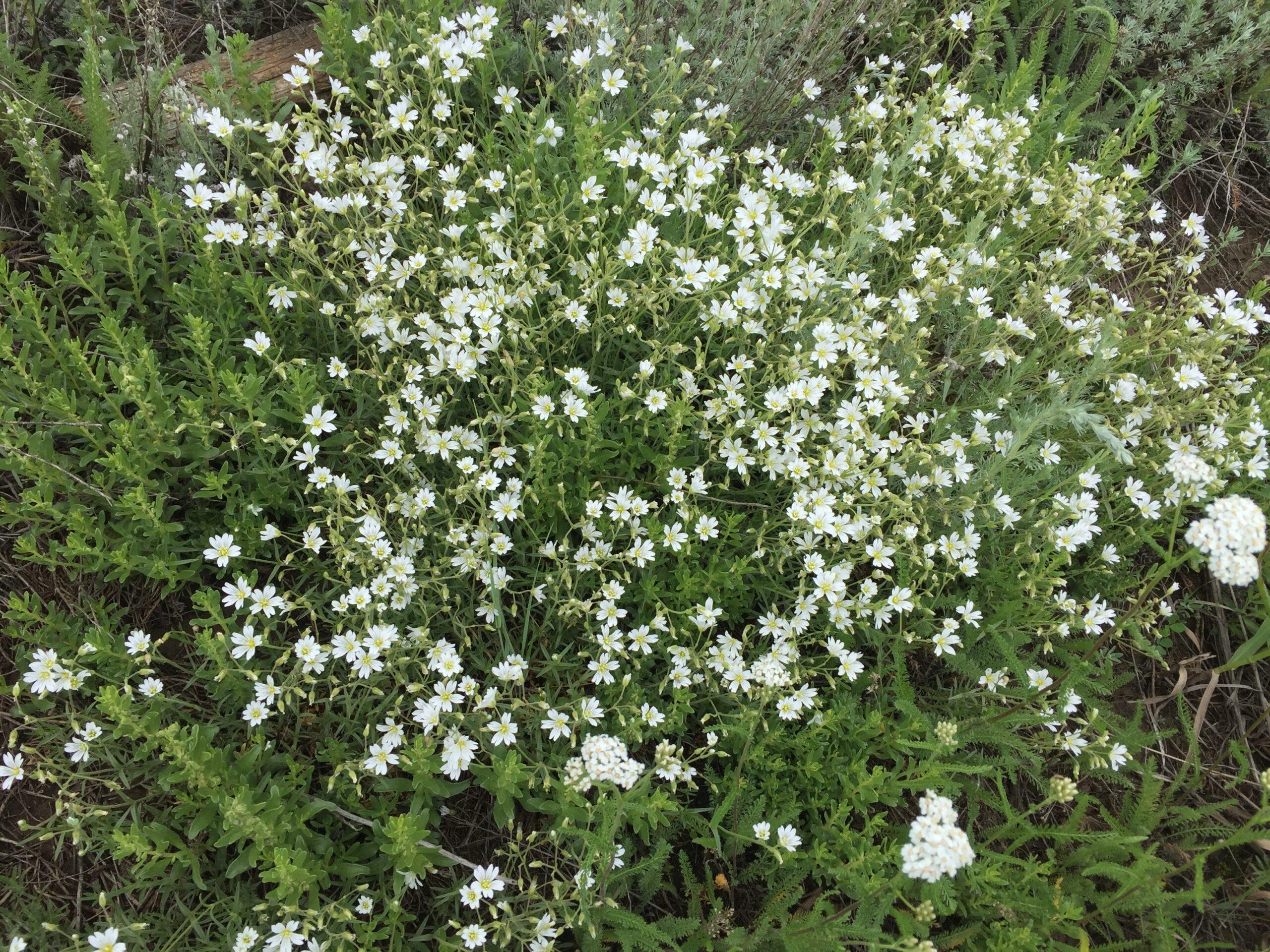
White Cockle (Silene latifolia Poir ssp. alba) This NOXIOUS weed must be controlled, and commonly creeps into hay crops. What makes white cockle troublesome? Its many seeds are difficult to separate from alfalfa and some grasses, making it a perfect invader of hay land. Stem and root...

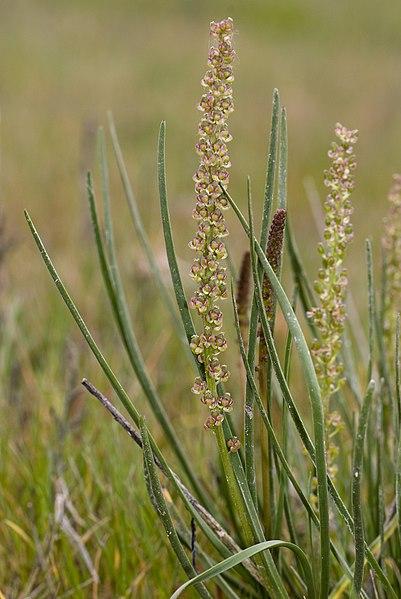
Poisonous Plant Edition- Seaside Arrow Grass (Triglochin maritima) Seaside arrow grass is not actually a grass, but a salt loving forb with grass-like leaves that is naturally found along the edges of saline sloughs or seepages. The flower head is on its own spike amongst the...

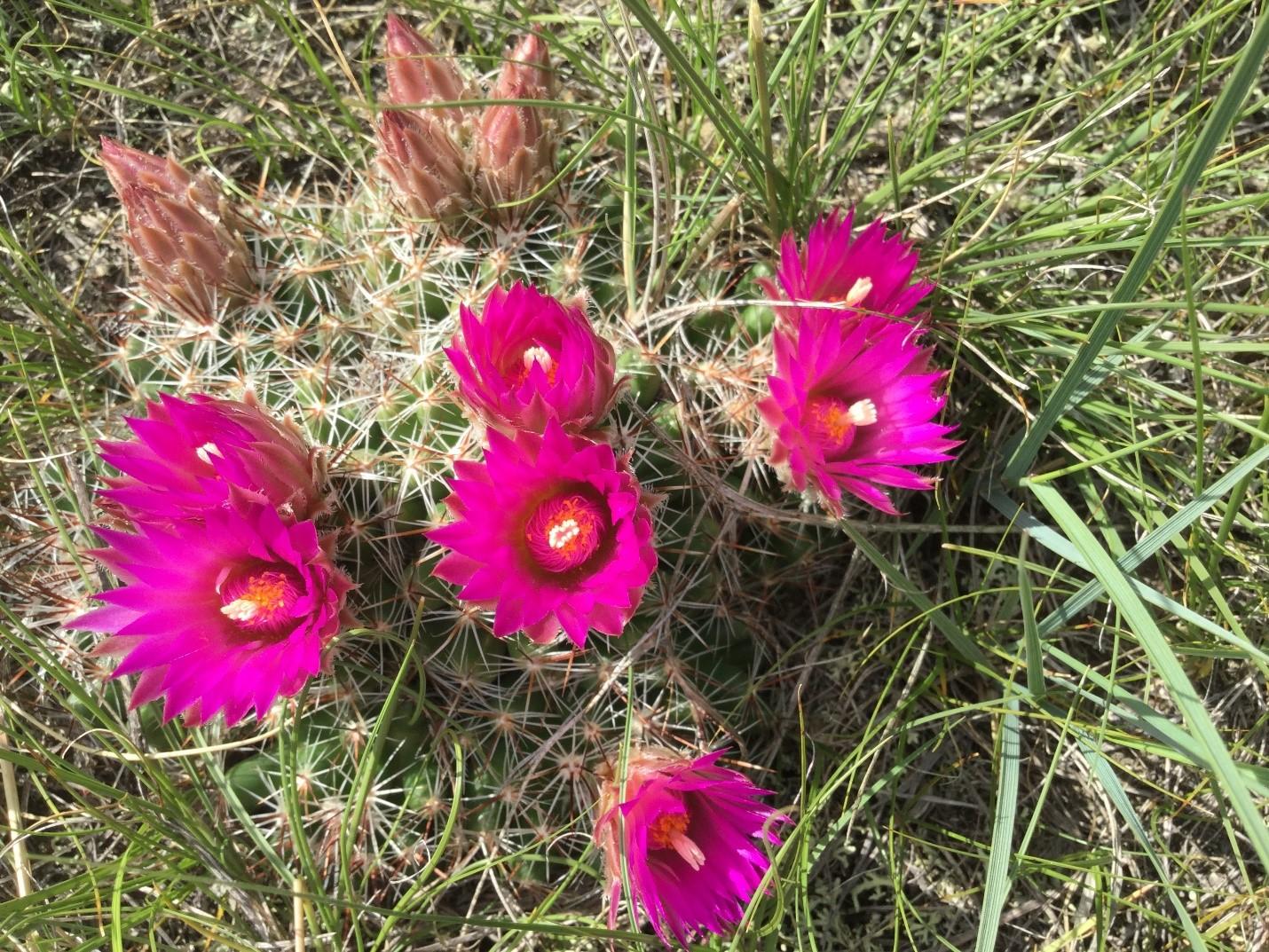
Ball Cactus (Coryphantha vivipara) Ball cactus is found in the southern often sandy areas in Special Areas. As its name suggests, it is small (up to 7 cm tall), globe shaped, and covered in spines. In June it produces beautiful bright pink flowers. In the fall these...

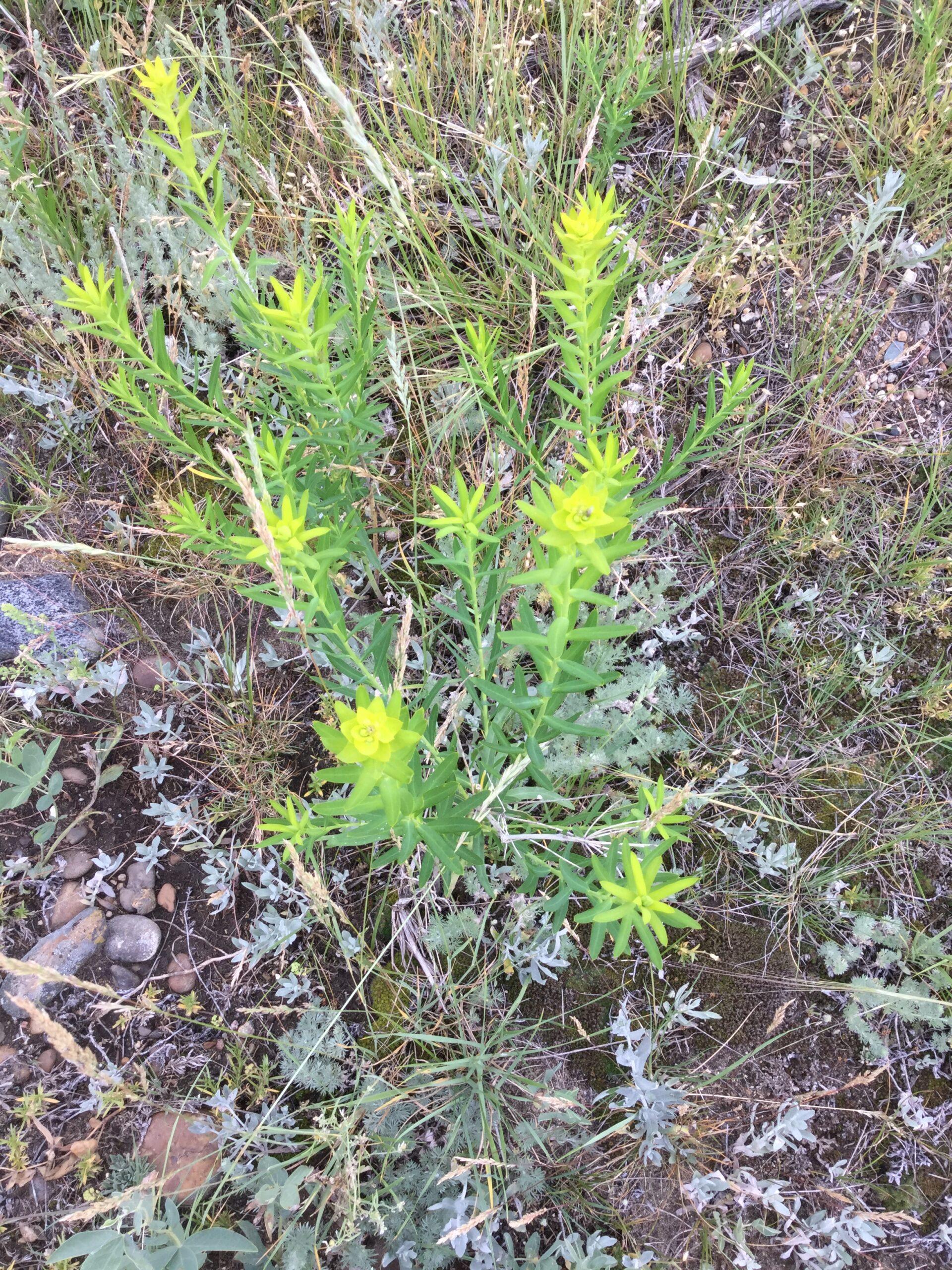
Leafy Spurge (Euphorbia esula) This noxious (MUST be controlled) weed is a long-lived perennial with creeping roots capable of extending 4.5 m laterally and 9 m deep. With explosive seed pods, it should be on your lookout list! With roots like that, imagine the amount...

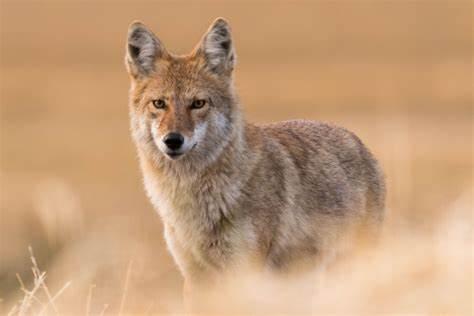
Did You Know? In Alberta there is a Coyote Predation Management Program (CPMP) to help manage predation of livestock through this provincially designated nuisance pest. Coyotes are listed as a nuisance under the Alberta Agricultural Pest Act regulation, giving landowners the ability to control this species...

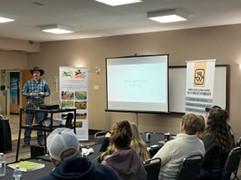
By Karin Roen, CARA   It was another successful winter of hosting “Grazing Clubs” for the Chinook Applied Research Association. From December 2023 to March 2024 CARA hosted ten Grazing Club meetings and over 170 producers from across the Special Areas. The intention of the Grazing Clubs...

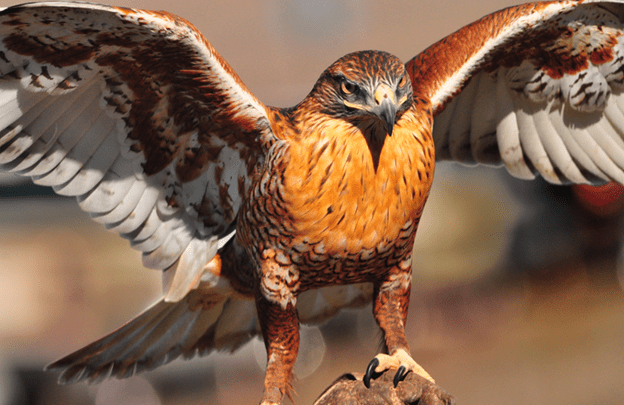
Common name: Ferruginous Hawk Latin name: Buteo regalis Conservation Status: Threatened Range: Alberta, Saskatchewan, Manitoba Lifespan: 20 years or more. The oldest recorded age is 23 years and 8 months Size: Wingspan of 133-142 cm, head-to-talon length of 56-69cm, weight of 0.97-2.1kg, females are larger [caption id="attachment_14557" align="alignright" width="331"] Source: Nature...

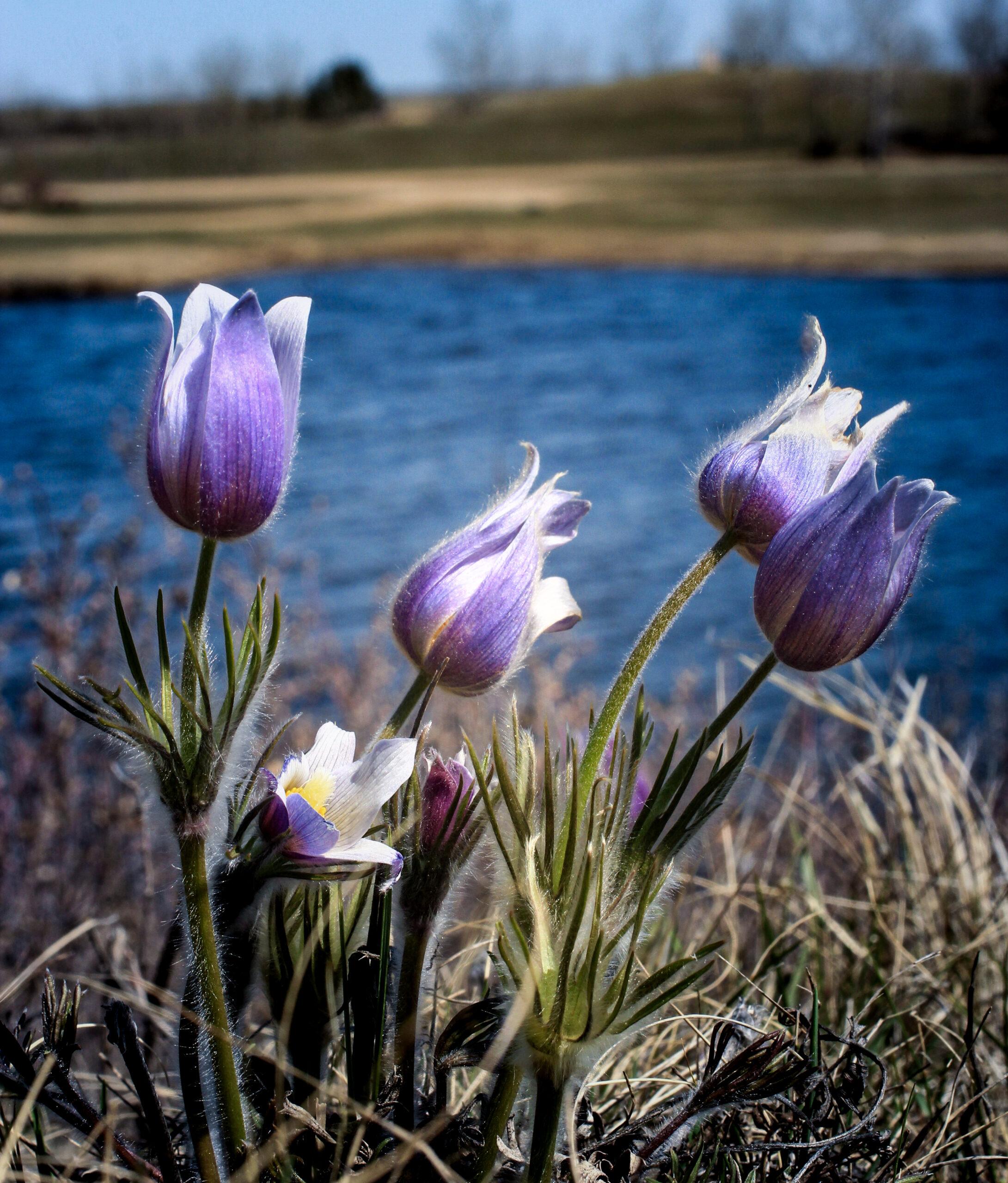
Prairie crocus (Anemone patens) Early emerging native plants can be seen throughout the Special Areas as they begin to emerge. One of the earliest flowering species you can spot is the prairie crocus. Prairie crocus is our most conspicuous early flowering species. The prairie crocus is actually...

Sand Dock (Rumex venosus) Sand dock is an interesting plant that grows in disturbed sandy areas in the Special Areas. It has inconspicuous greenish flowers in May which turn into three sided yellow to red fruits (as shown in photo), making for quite a lovely prairie...

Black  Henbane (Hyoscyamus niger) This NOXIOUS (which means it must be controlled) and TOXIC weed can act as an annual or biennial and prefers sunny areas with good drainage. While it can be located anywhere, it’s often found in gravel pits and well drained soils with...