

July 2024

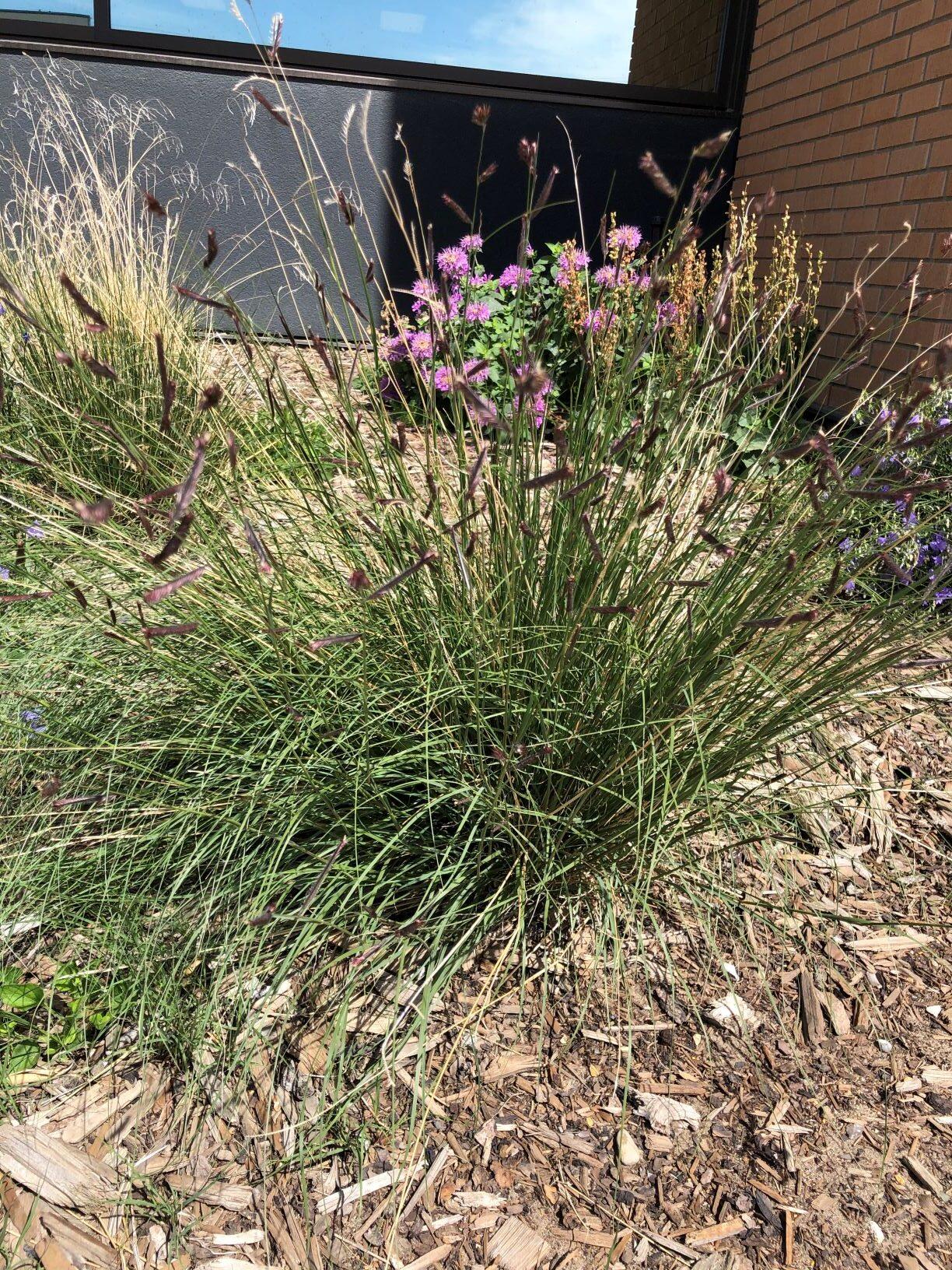
Blue Grama Grass (Bouteloua gracilis) Blue Grama grass is a very distinct grass found across the prairies - particularly on drier sites. Blue grama can be identified by its comb-like seed head when it’s in flower, or by the blueish tinge to its narrow (1-2 mm...
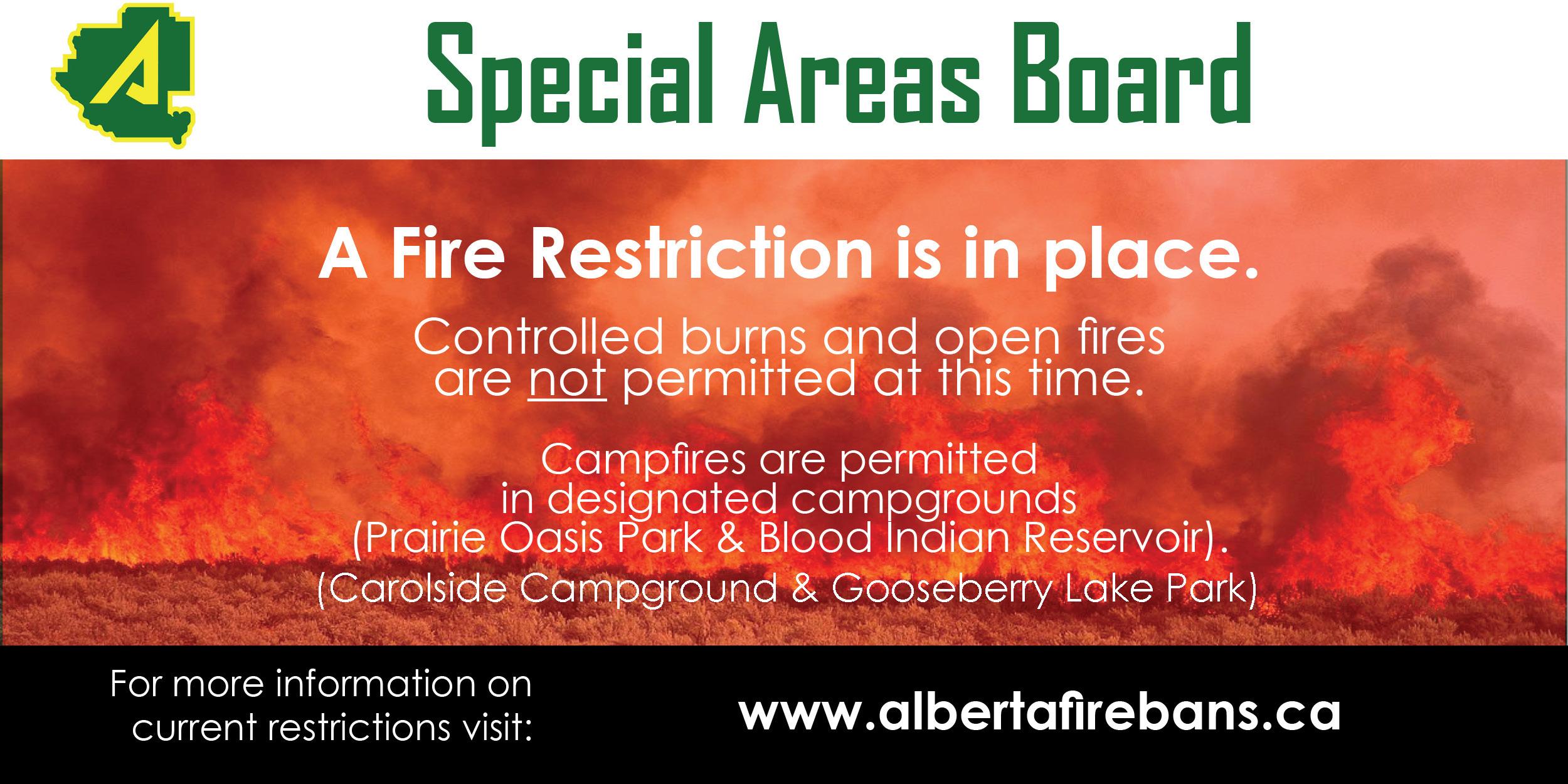
Effective Friday, July 26th the Special Areas Board is imposing a fire restriction to extend throughout all Special Areas. The restriction is imposed on all outdoor fires but does not include gas or propane barbeques, or fires contained in campfire facilities in designated camping areas unless...

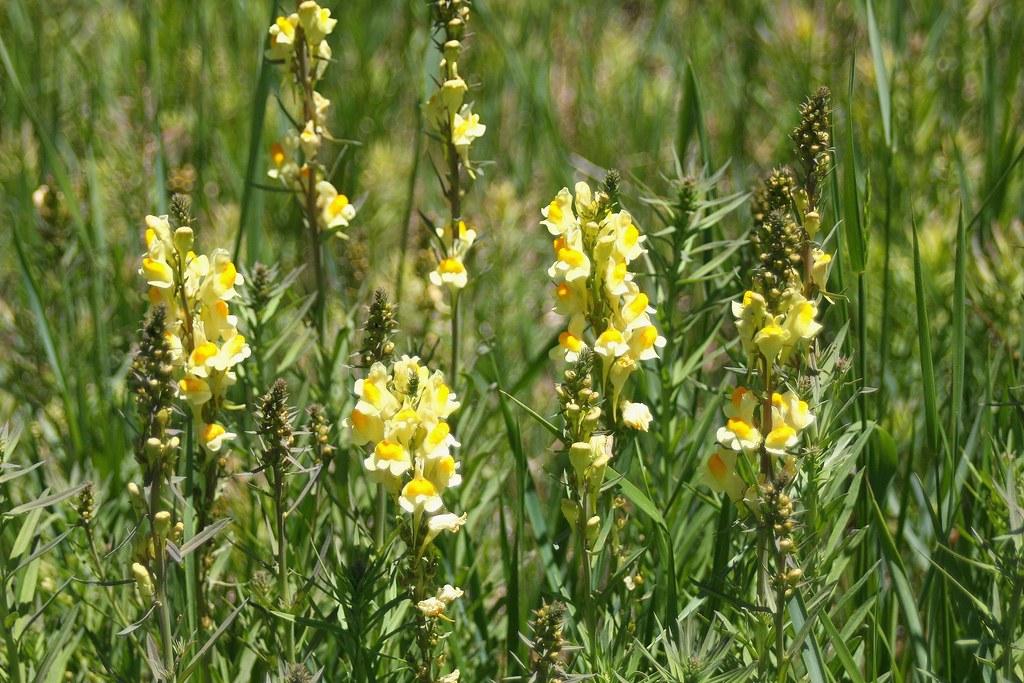
Yellow Toadflax (Linara vulgaris) This noxious (MUST be controlled) weed can flower much earlier in the year but is often noticed in Special Areas around this time of year. While sometimes mistaken for a snap dragon (check your “wildflower mixes”), this perennial is a fierce competitor...

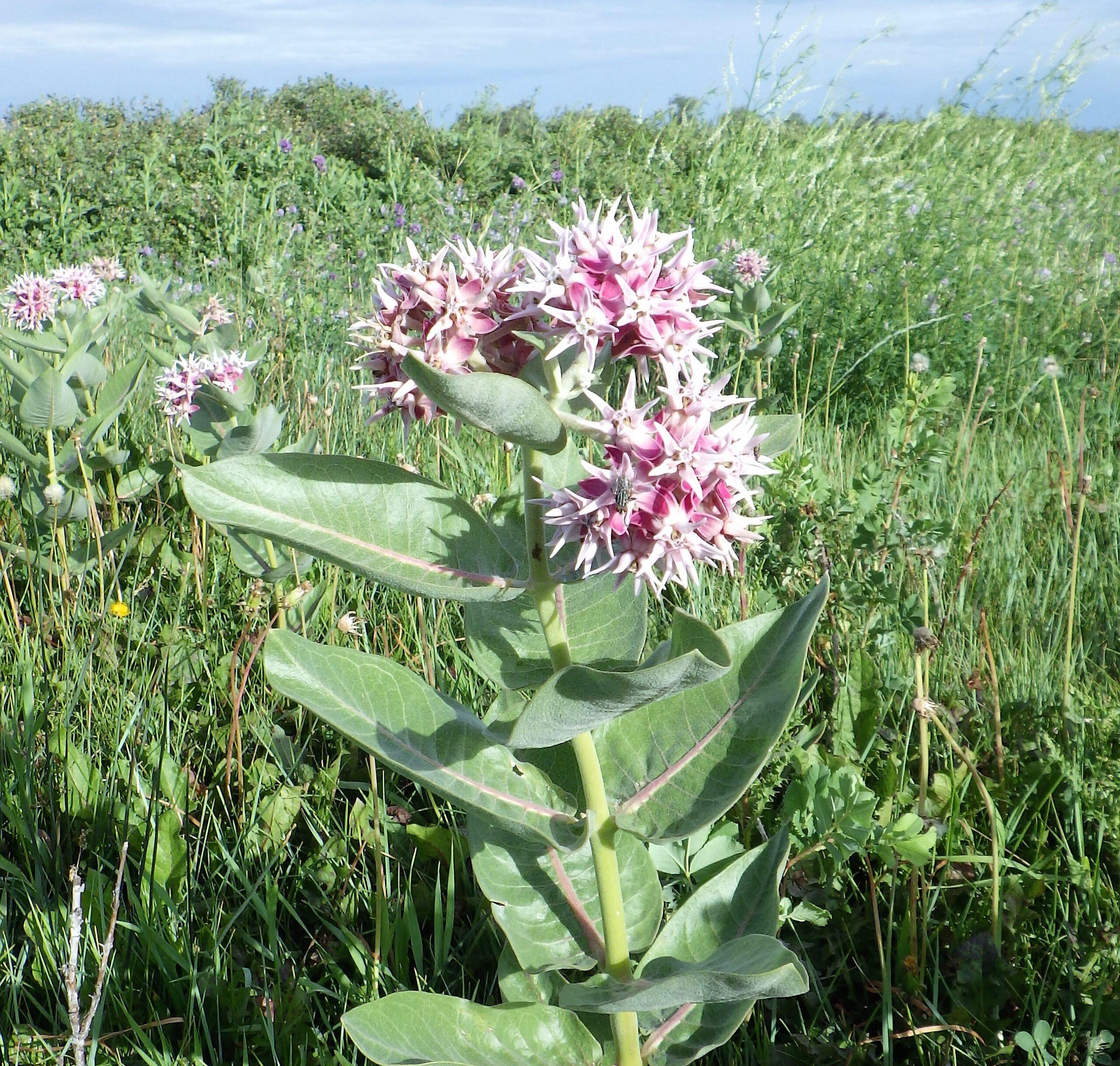
Showy Milkweed (Asclepias speciosa) Despite its name, Showy Milkweed is not a weed, but it is very showy. A common sight along Highway 555, showy milkweed is a showstopper when in bloom. A robust plant growing 1m or more in height with large 15 cm succulent green-blue...

Effective July 15th, 2024, the Special Areas Board is informing the public that a fire advisory is in effect and extends throughout Special Areas No. 2, 3 and 4. The Special Areas Board advises extreme caution and that only necessary burning should take place. The public...

The Special Areas Advisory Council wants to hear from you about community pastures in the Special Areas! Your feedback about Special Areas managed community pastures will be used to help Advisory Council better understand the different issues and perspectives related to community pastures in Special Areas,...

Common Mullein (Verbascum thapsus) Common Mullein is a NOXIOUS (which means it must be controlled) weed often found on disturbed sites such as railbeds, gravel pits, roadsides, etc. This biennial or perennial is known as “Cowboy Toilet Paper” for its very large, wooly, soft leaves that...

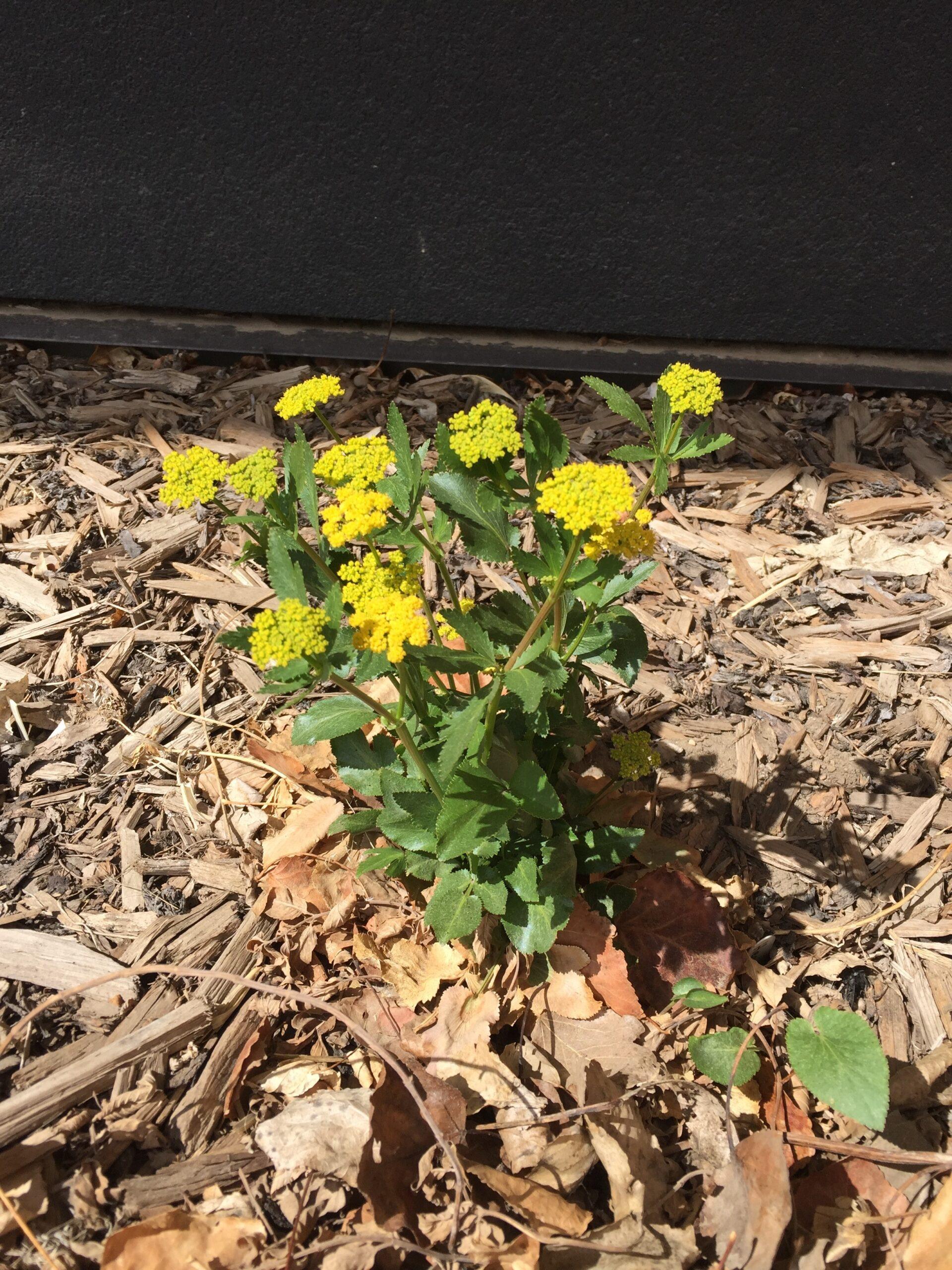
Heart Leaved Alexanders/Meadow Parsnip (Zizia aptera) Heart-leaved alexanders can be identified by its toothed, heart shaped basal leaves, stem leaves which are also toothed but divided into three parts and its bright yellow flat-topped umbel flower. Heart-leaved alexanders is tolerant of alkaline soils and can be...