


27 Mar Ladies Cow Boss Clinic Recap
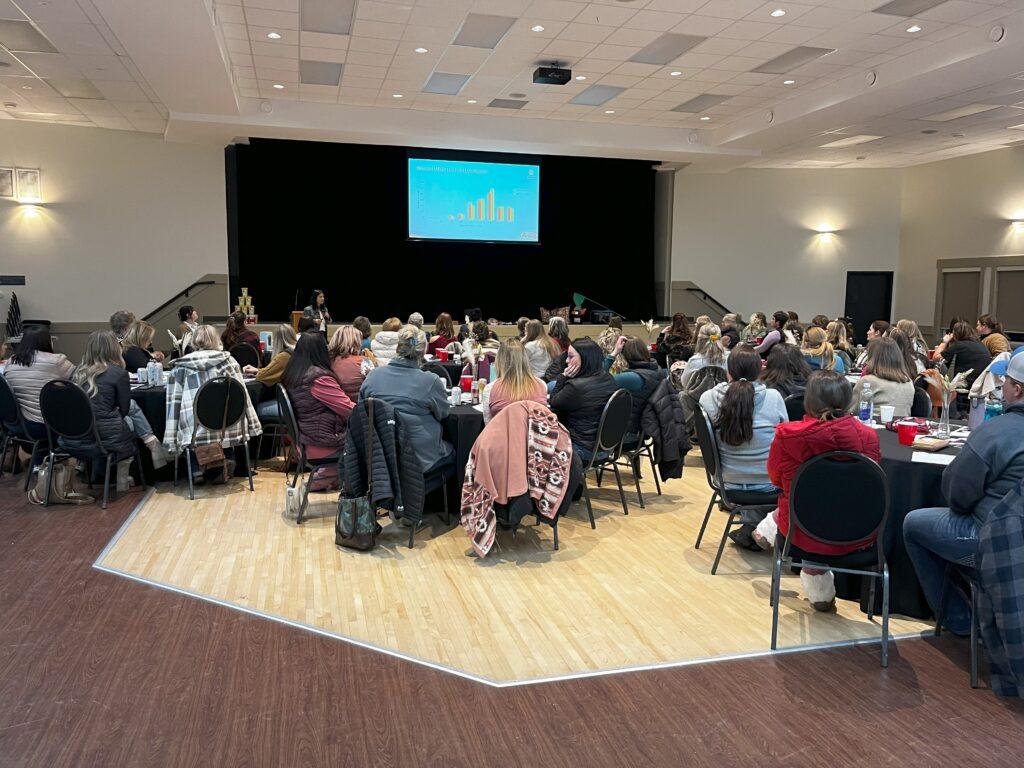
Over 70 women braved the -25C weather on March 6, 2024 to travel to Pollockville, AB for a unique event – the Ladies Cow Boss Clinic. This initiative was made possible by the Knowledge & Technology Transfer Grant from the Beef Cattle Research Council. This grant, paired with the generosity of the Hardgrass Community Club and many additional door prize sponsors brought this one-of-a-kind event to the area. The purpose was to bring easily applicable, hands-on knowledge and skills from the classroom straight to the ranch, and that’s just what it did!
Not only were the presenters experts in their fields, we were able to showcase local rancHER talent to boot! Special Area No. 2 native Brittany (Ross) Osadczuk and her colleague Jenilee Peters of Trouw Nutrition walked the attendees on how to make more money per cow by reducing feed costs. They urged producers to use feed additives such as monensin to reduce feed intake in cows by 8%, increase average daily gain in replacement heifers by 5% and shorten the interval between calving and return to estrus. They also recommended lowering cow maintenance requirements throughout the winter with windbreaks, breeding for haircoat and culling on body condition scoring. They suggested creep feeding calves could bring big returns and mentioned common mineral deficiencies they have been seeing in our area that could be robbing your cows’ production potential.
Dr. Emilie Balage of Cattle Health Management in Brooks brought a wealth of knowledge in farm biosecurity, antimicrobial resistance, vaccine best practices, as well as the opportunity beef hormone implants bring to the profitability of cow/calf herds. By utilizing these safe, industry-proven implants to your beef calves, Dr. Emilie suggests you could see a 5-10% increase in average daily gain and a 10:1 return on every dollar invested. Some simple reminders that we probably all need this time of year include washing your vaccine guns with hot water only (no soap), changing your needles every 15-20 head and keeping your vaccines refrigerated according to the label. Attendees of the event got to take home some handy magnets for the interior of their fridges that indicate if the vaccines are stored at optimal temperature (generously sponsored by the Verified Beef Production Plus program in Saskatchewan). The ladies also went home with sharp containers to keep chute-side or in their vaccination boxes to prevent needle injuries and inappropriate disposal methods.
Dr. Kajal Latimer of the Canadian Angus Association shared her vast expertise with Expected Progeny Differences (EPD’s) and how they can bring value to an operation, particularly when buying bulls this spring. She also shared her comical passion for teat and udder scoring herds over time and the impact investing in these maternal traits can bring to the longevity of your mother cows. Dr. Kajal’s presentations sparked lots of great questions from the attendees and many requests to have her back for a full day workshop at a later date! The ladies participated in an interactive teat and udder scoring activity and brought home the skills to score their own herd accordingly.
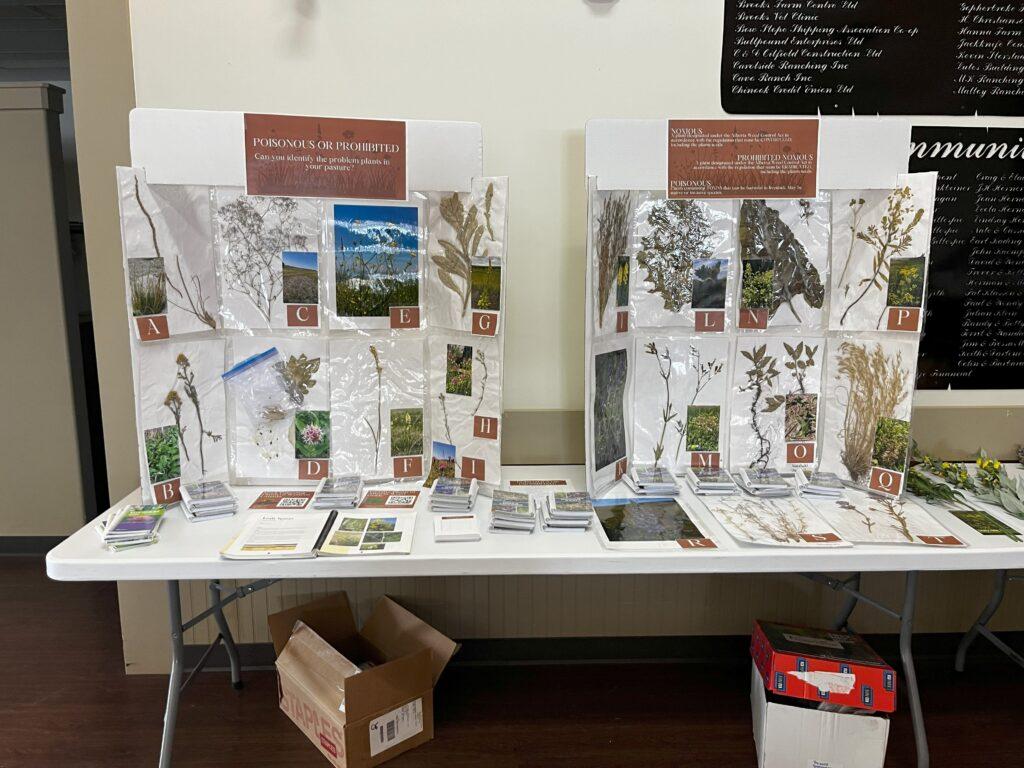
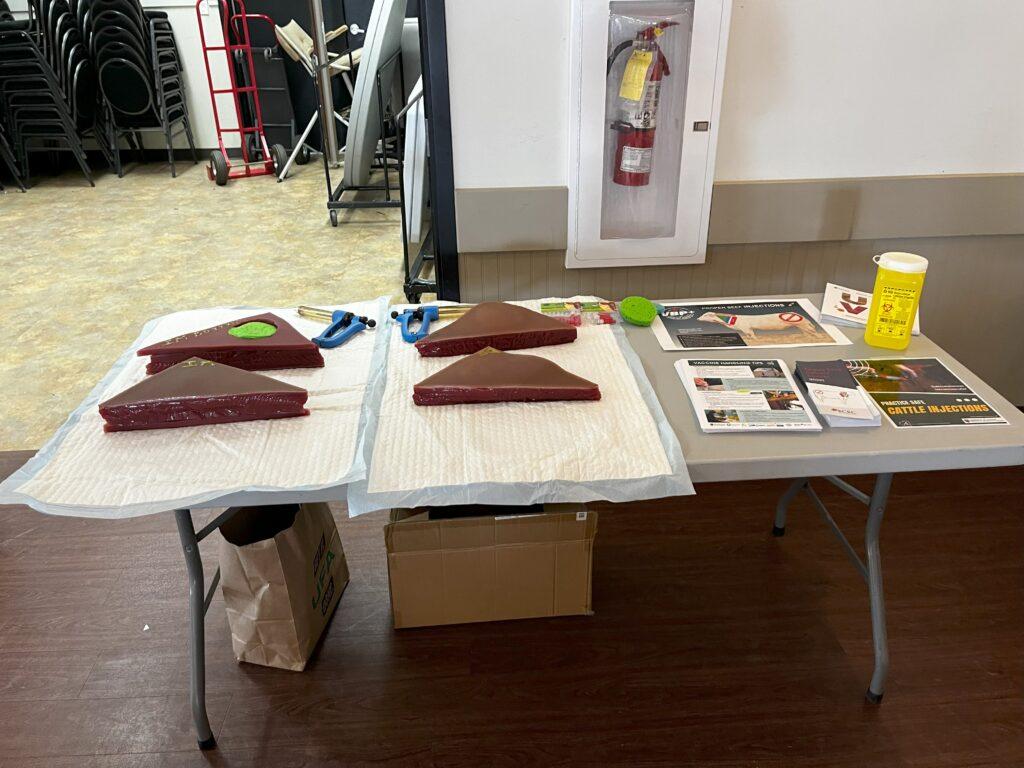
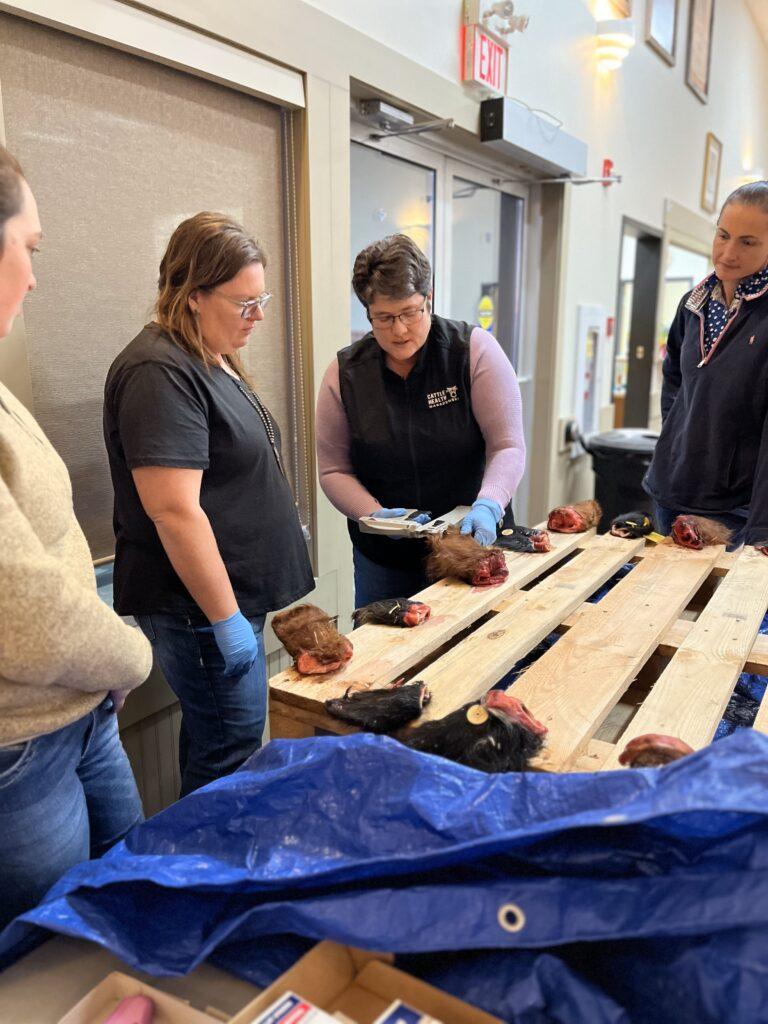
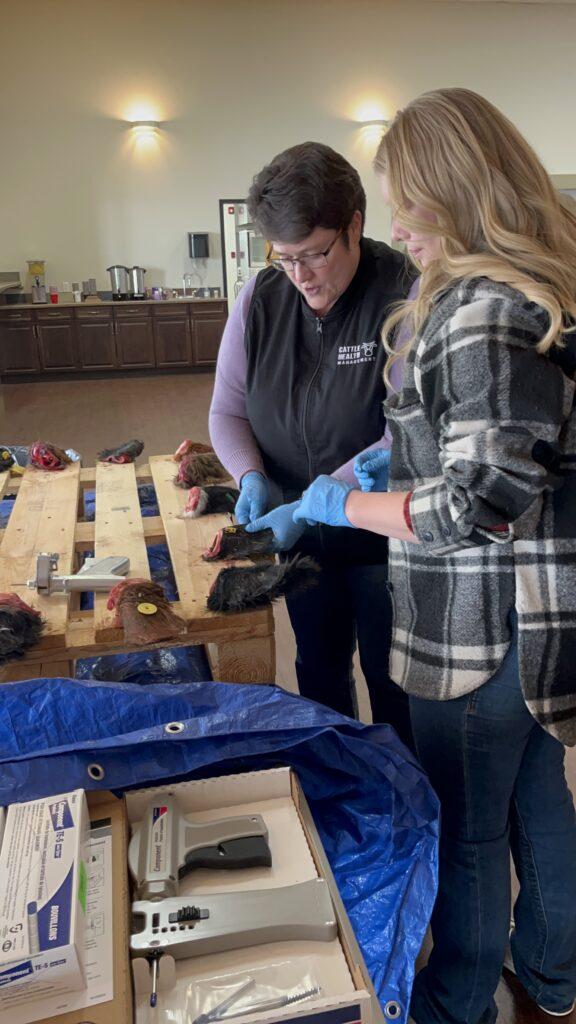
In addition to the excellent caliber of speakers, the ladies had the opportunity to try their hand at multiple skills stations. Cattle Health Management supplied frozen post-mortem cattle ears for participants to practice implanting on real specimens, focusing on proper placement and device control. Dr. Colleen Christianson of Valley Veterinary Clinic helped the ladies practice intramuscular and subcutaneous injections in simulated tissue models provided by the University of Calgary. Many friendly conversations were held to remind cattle producers to provide injections only in the neck, not under legs or in the hind end. Other popular skills stations included manure patty scoring, poisonous plant identification, feed analysis and bale probe practice.
This event was the fifth women-focused ranching workshop put on by the Special Area No.2 Agricultural Fieldman since her career began with Special Areas in 2015. Jesse is incredibly proud to have now supported almost 500 female producers, drawing from over 14 municipalities, empowering them with the skills and knowledge to propel their operations-and our beef industry- forward into the future.